
BILA – A Chinese Supplier Offering One-Stop Services for Home Fragrance Brand Creation
In recent years, an increasing number of brands have begun developing private-label home fragrance products. From boutique lifestyle brands and retail chains to e-commerce brands, more enterprises are seeking to establish brand differentiation through customized products rather than selling generic items found everywhere on the market.
Compared to traditional agency models, private labeling not only enhances brand value but also helps businesses build long-term competitive advantages.
However, for brands entering the home fragrance industry for the first time, a common question arises:
Should you choose OEM or ODM? How do you find a truly reliable supply chain partner?
This guide walks you through the entire process of developing a private-label home fragrance brand and helps you avoid common sourcing pitfalls.
In this article, you will learn:
✔ What is private labeling?
✔ What are the differences between OEM, ODM, and private labeling?
✔ What steps are involved in building a private-label brand?
✔ How do you choose the right manufacturer?
✔ Which products are best suited for private labeling?
✔ How can BILA help brands enter the market quickly?
Step 1 | What is Private Labeling?
Private labeling refers to a model where a manufacturer produces the goods, but the products enter the market under the client's own brand name.
Consumers see your brand, while the manufacturer handles product R&D, production, quality control, and supply chain support.
This collaborative model has become a major trend in the global home fragrance industry, as it allows brands to establish a unique market position without the need to invest in their own factories.
Why are more brands choosing private labeling?
Key reasons include:
Building brand value instead of selling generic products;
Achieving higher profit margins;
Easier cultivation of brand loyalty;
Flexibility in launching new product lines;
Customizing products to meet specific market demands.
For brands aiming for long-term growth, private labeling represents a more sustainable business model.
Step 2 | What are the differences between OEM, ODM, and private labeling?
Many buyers confuse these three cooperation models; the comparison below will help you understand them quickly. Cooperation Model | Characteristics | Suitable For
OEM | Brand provides design/specs; manufacturer handles production | Enterprises with established brands and product plans
ODM | Manufacturer provides ready-made products; brand customizes them | New brands aiming for a quick market launch
Private Labeling | Uses off-the-shelf products; only the brand logo is changed | Small businesses wanting to test the market quickly
Sourcing Advice: If you aim to build long-term brand competitiveness, OEM or ODM models generally offer higher brand value than simple private labeling.
Step 3 | The complete process of building a private-label home fragrance brand
A successful brand doesn't start with production; it starts with brand positioning.
We recommend planning your project according to these steps:
1. Define the target consumer group
2. Select product types (scented candles, reed diffusers, room sprays, etc.)
3. Determine brand style and price positioning
4. Develop exclusive fragrances
5. Design packaging and labels
6. Sample approval
7. Mass production
8. International shipping and market launch.
Step 4 | Which products are best suited for private labeling?
Currently, the most popular private-label products include:
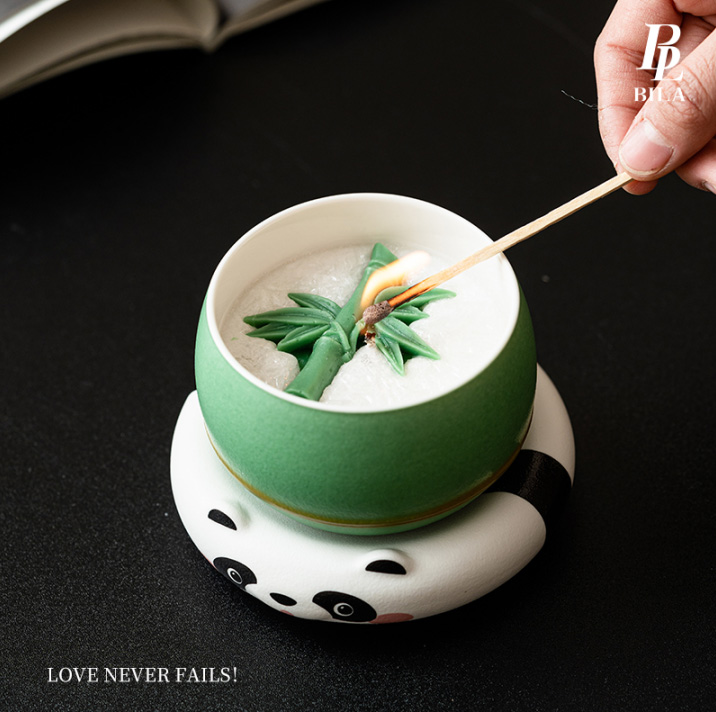
Scented Candles: A classic category; ideal for gift, home, and lifestyle brands.
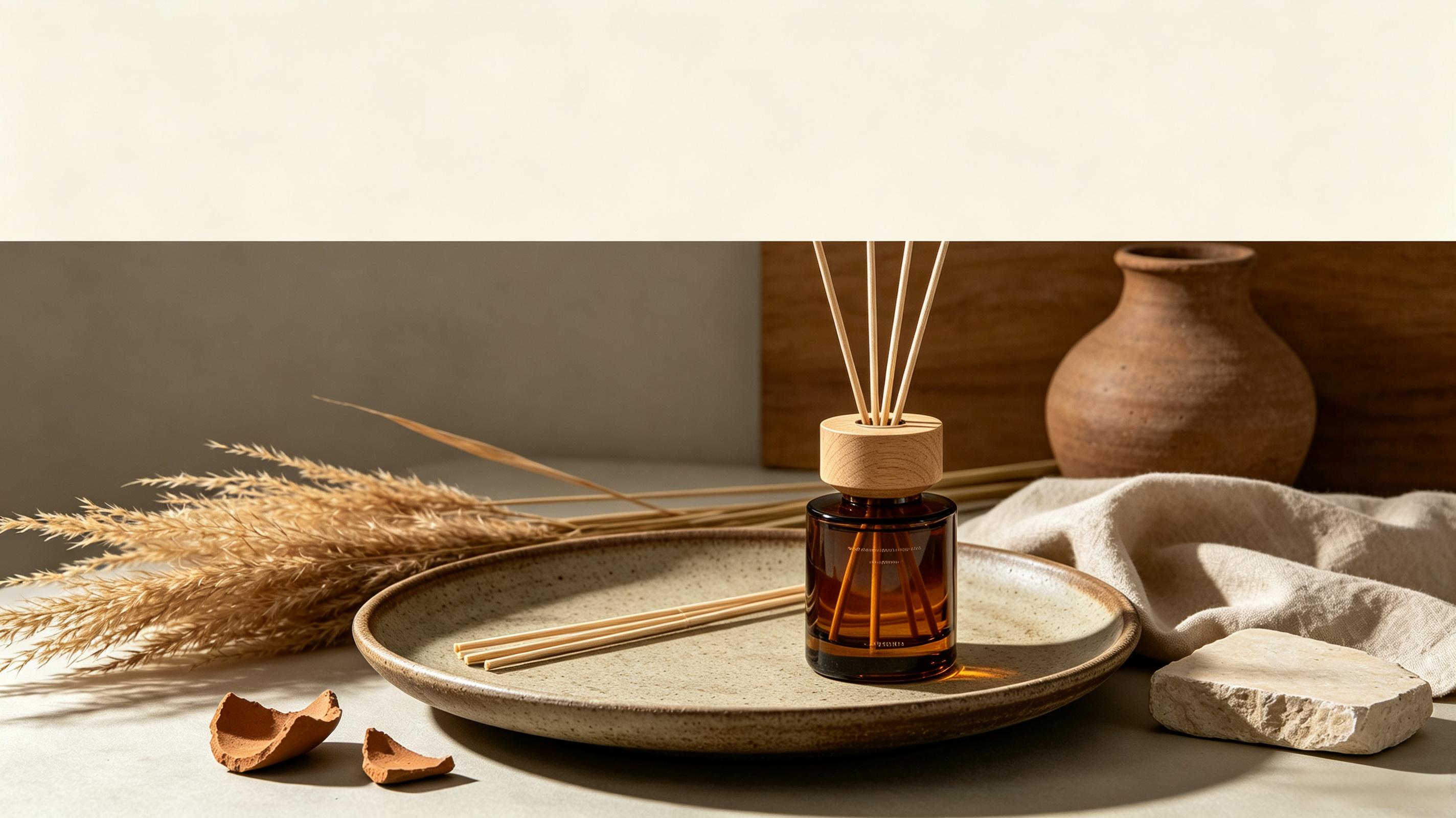
Reed Diffusers: Provide continuous fragrance release; popular in hotels, homes, and high-end retail markets.
Room Sprays: Convenient for daily use; great for rounding out a product line.
Tip: Plan your product mix based on target market demand rather than launching too many SKUs at once.
Step 5 | How to choose an OEM/ODM manufacturer for long-term partnership?
Don't focus solely on the price quote.
An excellent partner should possess:
Extensive experience in home fragrance manufacturing;
Fragrance R&D capabilities;
Flexible OEM/ODM services;
A stable quality management system;
Packaging development capabilities;
Experience with international exports;
Efficient and transparent communication.
Choosing a supplier is essentially choosing a key partner for your brand's supply chain for years to come.
Step 6 | What can be customized?
Beyond the product itself, you can customize various aspects based on your brand positioning, such as:
Exclusive fragrance development;
Container colors and materials;
Label design;
Gift box packaging;
Holiday-exclusive collections;
Sustainable packaging solutions.
These details not only enhance brand recognition but also help command a higher market premium for your products. Why Choose BILA as Your Private Label Partner?
At BILA, we understand that a successful home fragrance brand requires not only high-quality products but also reliable, flexible, and efficient supply chain support.
We offer comprehensive, one-stop OEM/ODM services covering the entire development process, including:
Development and production of fragrance products such as scented candles, reed diffusers, perfumes, and car air fresheners;
Custom fragrance development and market trend planning;
Packaging design and private label customization;
Low-MOQ customization services;
International order management and export support.
Whether you are launching a new brand or expanding an existing product line, BILA is dedicated to helping you turn your creative vision into market-competitive products.
Frequently Asked Questions (FAQ)
1. What is the difference between Private Label and OEM?
Private labeling focuses on selling products under your own brand name, whereas OEM (Original Equipment Manufacturer) specifically refers to manufacturing products based on your designs and specifications. Many projects combine these models to create unique, branded products.
2. Can I develop a custom fragrance?
Yes. BILA supports the development of custom fragrances tailored to your target market, brand positioning, and customer preferences.
3. What products can I customize?
You can customize scented candles, reed diffusers, room sprays, wax melts, gift sets, packaging, labels, and entire fragrance collections.
4. What is the typical Minimum Order Quantity (MOQ) for private label orders?
MOQs vary depending on the product type, packaging complexity, and the level of customization. A great manufacturing partner will help you strike the right balance between flexibility and production efficiency.
5. How long does it take to launch a private label product?
The timeline depends on stages such as product development, prototyping, packaging approval, and production scheduling. We recommend planning early, especially for seasonal product lines.
Ready to build your home fragrance brand?
Whether you are launching your first collection or expanding an existing brand, choosing the right manufacturing partner is a crucial decision. BILA is dedicated to helping global brands bring high-quality home fragrance products to market through professional OEM/ODM manufacturing, flexible customization services, and reliable production support.
Contact our team today to bring your ideas to life.
.png)